



When businesses talk about growth, the conversation usually turns to marketing strategies, sales funnels, or the latest tools and technology. Customer feedback rarely gets the spotlight it deserves. It is often treated as a formality; a survey sent after a purchase or a support ticket that gets closed and forgotten.
But in reality, customer feedback is one of the most powerful and underrated drivers of sustainable growth. According to Harvard Business Review, when used correctly, it does not just tell you what is wrong but shows you exactly where to improve, what to build next, and how to grow smarter.
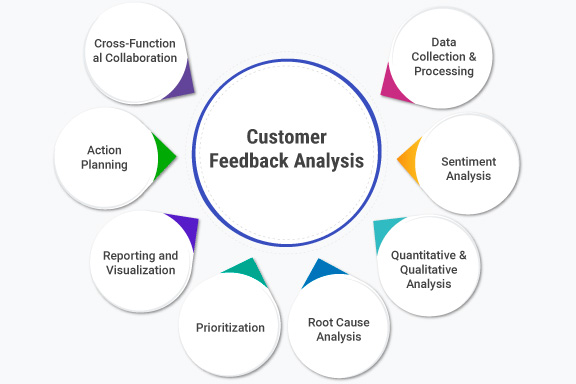
Feedback Is Direct Access to the Truth:
Most business decisions are based on assumptions. What we think customers want or what we believe is working. Feedback cuts through that uncertainty. When customers share their experiences, they give you honest insight into how your business looks from the outside. This kind of clarity is priceless. Feedback acts as a reality check that keeps teams grounded in real user needs instead of internal opinions. As noted in Forbes, listening to customers provides actionable insight that is far more reliable than internal guesswork.Why Feedback Often Gets Ignored?
One reason feedback is overlooked is that it can be uncomfortable. Not all feedback is positive, and it is easier to focus on growth tactics than to face criticism. Another reason is lack of ownership—feedback is collected but often not acted upon. In many companies, feedback sits in dashboards, spreadsheets, or inboxes without being turned into action. According to Entrepreneur, this is a missed opportunity, because insights from actual customers often outperform traditional market research.Feedback Shows You Where Growth Is Leaking:
Growth is not just about acquiring new customers. It is also about keeping the ones you already have. Feedback helps identify where customers get confused, frustrated, or disappointed. These moments are often hidden in the customer experience. When addressed, they can significantly improve retention and referrals. Fixing one recurring issue can sometimes have a bigger impact than launching a new marketing campaign.
Customers Tell You What to Build Next:
Product teams often spend months debating features and priorities. Meanwhile, customers are already telling you what they need through complaints, requests, and questions. When feedback is treated as input for product improvement, it reduces guesswork. You build features that solve real problems instead of assumptions. Over time, this creates products that feel intuitive and valuable because they are shaped by actual users.
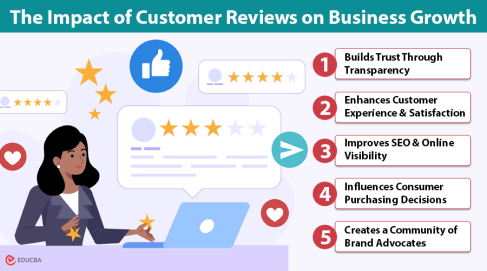
Feedback Makes Marketing Stronger:
Great marketing does not start with clever messaging but it starts with understanding the customer’s language, emotions, and objections. Customer feedback reveals how people describe your product in their own words. These insights can directly improve your marketing strategy—from website copy to ad messaging to email campaigns. When your marketing reflects real customer voices, it feels more authentic and convincing.
Turning Feedback into Action:
Collecting feedback is only the first step. Growth happens when feedback leads to action. This does not mean acting on every suggestion, but it does mean identifying patterns. If multiple customers mention the same issue or request, it is a signal. When teams regularly review and act on feedback, it becomes part of a healthy business growth loop: listen, improve, communicate, and repeat.
Internal Alignment Through Feedback:
Feedback does not just help externally—it aligns teams internally. When product, marketing, sales, and support teams all hear the same customer insights, decisions become clearer and faster. This shared understanding strengthens your strategy and ensures everyone is working toward the same goal: delivering real value. Feedback becomes a common language across departments.
Building Trust Through Listening:
Customers notice when they are heard. When businesses respond to feedback and make visible improvements, it builds trust. People are more likely to stay loyal to brands that listen and evolve. Trust is a long-term asset—it reduces churn, increases advocacy, and turns customers into partners in growth rather than passive buyers.
Takeaway:
Customer feedback is not just a support function or a checkbox activity. It’s a strategic growth tool hiding in plain sight. Businesses that listen carefully grow faster, make better decisions, and build stronger relationships. In a world full of noise and opinions, customer feedback remains one of the most reliable signals for meaningful product improvement and long-term success. If you want sustainable growth, don’t just look outward at competitors and trends—look inward and listen to the people who already chose you.
Leave a Comment: