


Not too long ago, a product launch meant one thing: a stage, a banner, a few speeches, and a press release sent out to everyone and anyone. It worked—until it didn’t.
Today, audiences scroll fast, skip ads faster, and crave experiences over announcements. This shift is exactly why experiential marketing is no longer a buzzword but a necessity. Brands are slowly moving away from predictable launch events and choosing something far more powerful: real, memorable moments.
What Is Experiential Marketing, Really?
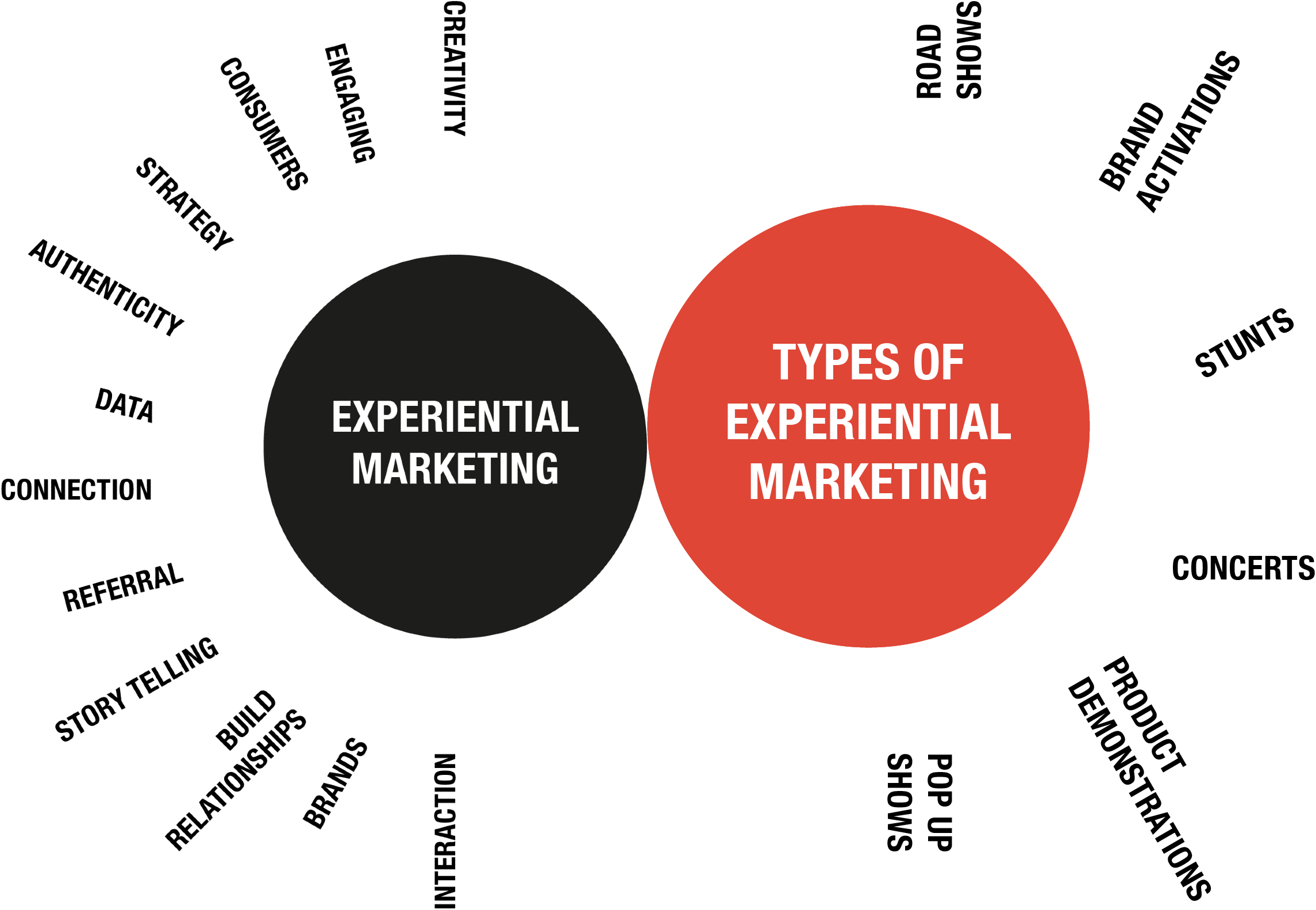
At its core, experiential marketing is about letting people experience a brand instead of just hearing about it. It’s interactive, immersive, and emotional. Think pop-up installations, hands-on demos, live storytelling, or even digital experiences that feel personal.
Unlike traditional advertising, this approach puts the consumer at the center. They’re not just watching the brand—they’re part of it. That emotional connection is what makes the experience stick long after the event is over.
Why Traditional Launches Are Losing Their Impact:
Traditional product launches follow a formula, and audiences know it. A venue, a reveal, a few influencers, some photos—and then it’s forgotten within days.
Modern consumers want more than information; they want involvement. Long speeches and static displays don’t create excitement anymore. Brands are realizing that attention isn’t bought—it’s earned through engagement. This is where brand experiences outperform conventional launches by creating moments people actually want to share.
Experiences Create Stories, Not Just Sales:
One of the biggest advantages of experiential marketing is storytelling. When people interact with a brand in a meaningful way, they naturally talk about it—online and offline. Social media becomes a byproduct, not the goal.
These experiences humanize brands. Instead of sounding corporate, brands feel relatable, creative, and culturally aware. That’s why brand experiences often lead to higher recall, stronger loyalty, and deeper trust.
Growth requires space to test, learn, and refine. That process rarely looks perfect in the short term, but it builds resilience over time.
The Digital Boost: Online Meets Offline:
Experiential marketing isn’t limited to physical spaces anymore. Digital tools like AR filters, live streams, and interactive microsites allow brands to extend experiences beyond the event itself.
When done right, one experience can live on through reels, stories, and user-generated content—multiplying reach without feeling like an ad. This blend of physical and digital interaction is redefining how modern product launches are designed.
The Future of Launches Is Experiential:
Brands aren’t ditching launches entirely—they’re reimagining them. Instead of asking, “How do we announce this?” they’re asking, “How do we make people feel something?”
As attention spans shrink and competition grows, experiential marketing offers what traditional launches can’t: authenticity, emotion, and memorability. And in today’s market, that’s what truly sets brands apart.
Leave a Comment: