

Marketing today is moving faster than ever. New platforms appear, customer behavior keeps changing, and the pressure to deliver results never slows down. In the middle of all this, artificial intelligence has quietly become one of the most powerful helpers for marketers.
The truth is, you do not need to be a tech expert to use AI. Many AI marketing tools are built to save time, reduce guesswork, and help you focus on ideas that actually work. When used wisely, they do not replace marketers; they make them better.
Why AI Is Becoming a Must-Have?
Marketing has always been about understanding people. What AI does is help you understand them faster. It can analyze data, spot patterns, and suggest actions in seconds that would otherwise take hours.
In today’s competitive digital marketing world, speed matters. The brands that move quickly, test ideas, and adapt are the ones that stay visible. AI helps marketers keep up without burning out.
AI for Content and Ideas:
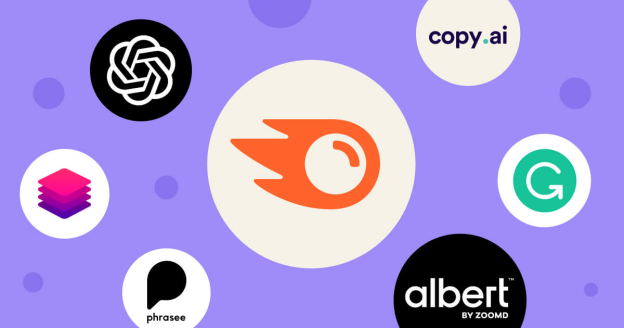
Coming up with fresh ideas every day is hard. This is where AI truly shines. Tools like ChatGPT can help brainstorm headlines, captions, blog outlines, and even video scripts. Platforms like Jasper and Copy.ai are also popular for generating persuasive, audience-friendly text quickly.
These platforms do not replace creativity, they support it. They help you get past the blank page and move faster with content creation. Instead of spending hours thinking where to start, you can focus on improving and refining ideas.
Smarter Design and Visuals:
Visual content plays a huge role in marketing. AI design tools can now generate images, resize creatives, suggest layouts, and even improve color balance. Tools like Canva’s AI features, Adobe Firefly, and Fotor AI are helping marketers create better visuals with minimal effort.
For marketers without a design background, this is a big win. It reduces dependency on long design cycles and allows quick testing of ideas. This flexibility supports stronger marketing automation by keeping campaigns moving without delays.
AI in Ad and Campaign Management:
Managing ads manually can be overwhelming. AI-powered platforms help optimize bids, identify the best-performing creatives, and suggest improvements based on real data. Tools like Albert AI, AdCreative.ai, and Revealbot are becoming go-to choices for smarter ad-optimization.
This leads to better decisions and less wasted spend. When used correctly, AI marketing tools can help marketers focus on strategy instead of constant monitoring.
Better Customer Understanding:
Understanding your audience is key to growth. AI tools can analyze customer behavior, segment users, and predict what they might do next. Platforms like HubSpot’s AI features, Google Analytics with AI insights, and Segment help marketers see deeper into customer journeys.
This insight is especially valuable in digital marketing, where personalized experiences matter. AI helps marketers send the right message to the right person at the right time without guessing.
Automating the Repetitive Work:
Many marketing tasks are repetitive: emails, scheduling posts, reporting, and follow-ups. AI makes these processes smoother and faster. Tools like Mailchimp’s AI recommendations, Zapier with AI triggers, and Hootsuite’s AI scheduling are great examples.
With better marketing automation, marketers can spend less time on routine tasks and more time on planning, creativity, and growth. Automation does not remove the human touch, it protects it.
Using AI Without Losing Authenticity:
One common fear is that AI will make marketing sound robotic. This only happens when tools are used without human judgment.
The best results come when AI supports, not leads. Use it to draft, analyze, and suggest then add your voice, values, and understanding of your audience. This balance is what keeps content creation real and relatable.
Takeaway:
AI is no longer optional for marketers who want to stay competitive. It is not about using every tool available, but about choosing the right ones for your goals. Start small. Test one or two tools. Learn how they fit into your workflow. Over time, AI becomes less of a “tool” and more of a trusted assistant that helps you work smarter, not harder.
Leave a Comment: